More Direct Energy Control
Modern parakites use control systems that can change the wing’s behaviour and effective angle of attack more directly than a conventional paraglider. The exact system varies between manufacturers and models.
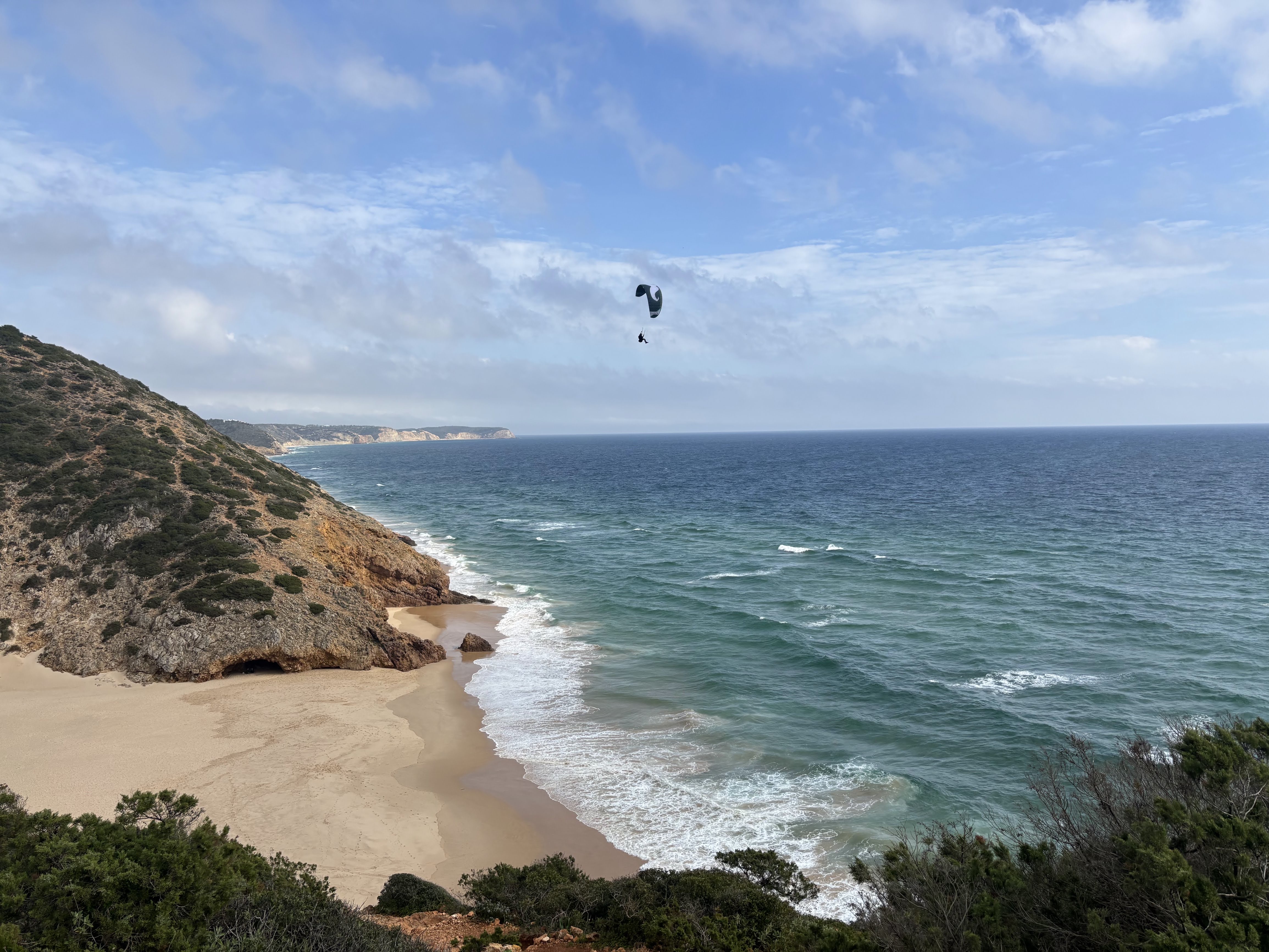
Coastal flying for experienced paraglider pilots
Discover a faster, more dynamic way to play with the wind during our annual coastal parakiting week.
We normally run one or two parakiting weeks each year on the Portuguese coast, usually toward the end of February before our Algodonales guiding season begins in March.
An important distinction
Our parakiting sessions take place in suitable coastal environments, normally on the Portuguese coast or at Matalascañas in Huelva, Spain. We choose open coastal locations because this is the environment in which we introduce pilots to parakite handling and flying.
Parakiting is not included as part of a normal Algodonales guiding week.
A different style of soft-wing flying
Parakiting is an emerging form of dynamic flying that combines familiar paragliding skills with a specialised wing and control system. It is particularly suited to open coastal environments, smooth wind and close-to-the-ground soaring.
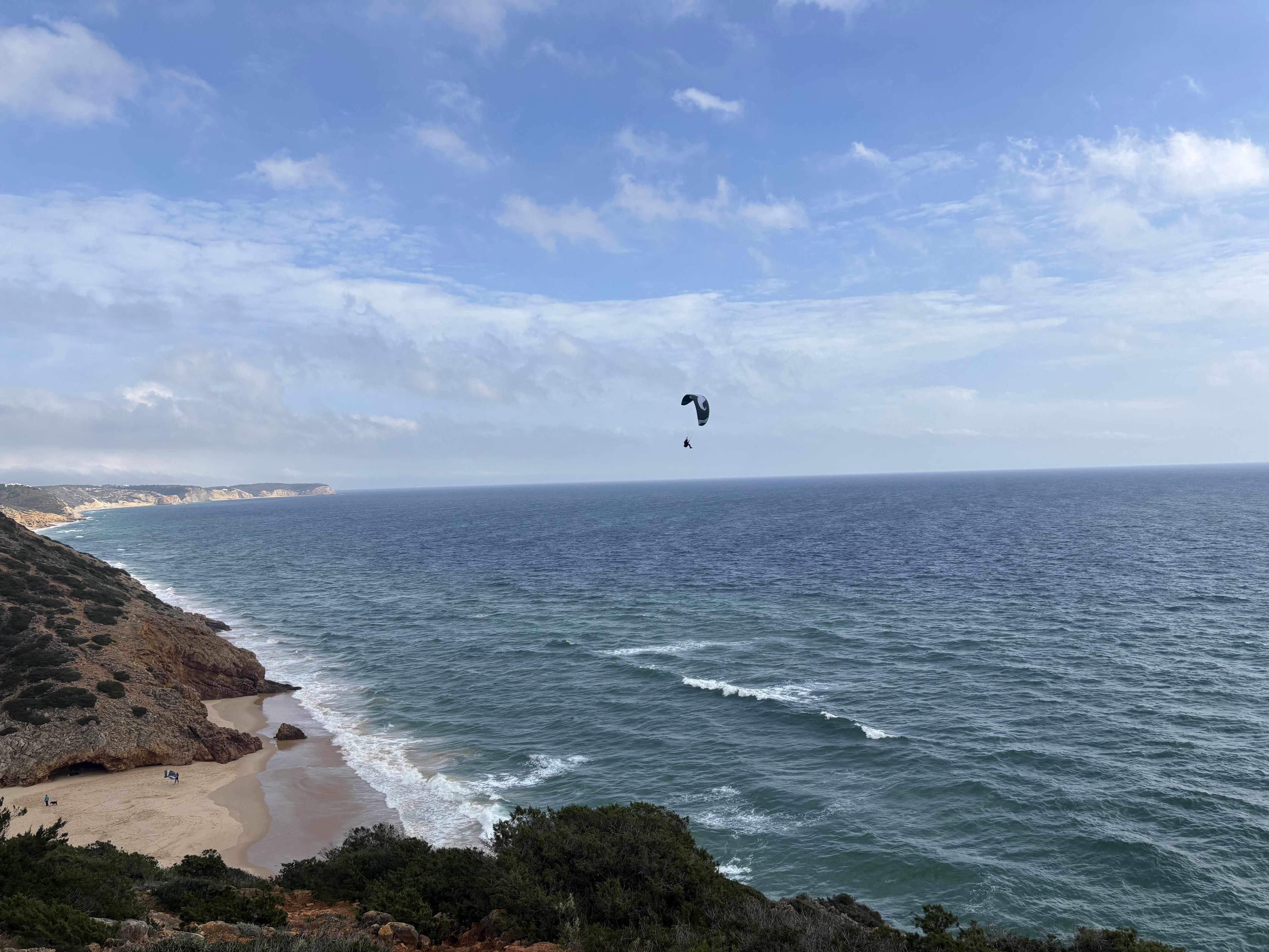
Modern parakites use control systems that can change the wing’s behaviour and effective angle of attack more directly than a conventional paraglider. The exact system varies between manufacturers and models.
Parakites are commonly flown at higher wing loading than normal paragliders. They respond quickly, carry energy and reward accurate, well-timed control.
The discipline is especially attractive for coastal soaring, carving, ground play and repeated transitions between handling and flight.
The controls, energy, wind range and handling technique can feel very different. A competent paraglider pilot still needs a careful introduction to the particular parakite and its operating system.
Our weeks are for pilots who already have solid independent paragliding skills. We do not use parakites to teach complete beginners how to fly.
Open coast, suitable wind and room to work
We use coastal locations where the terrain, access, wind and available space are suitable for the group and the day. The final location always remains weather dependent.
Primary trip location
Annual trip
Portugal is the main destination for our organised parakiting week. The coastline gives us the opportunity to assess different coastal areas and choose the most appropriate option for the expected wind and group.
 Spanish coastal option
Huelva, Spain
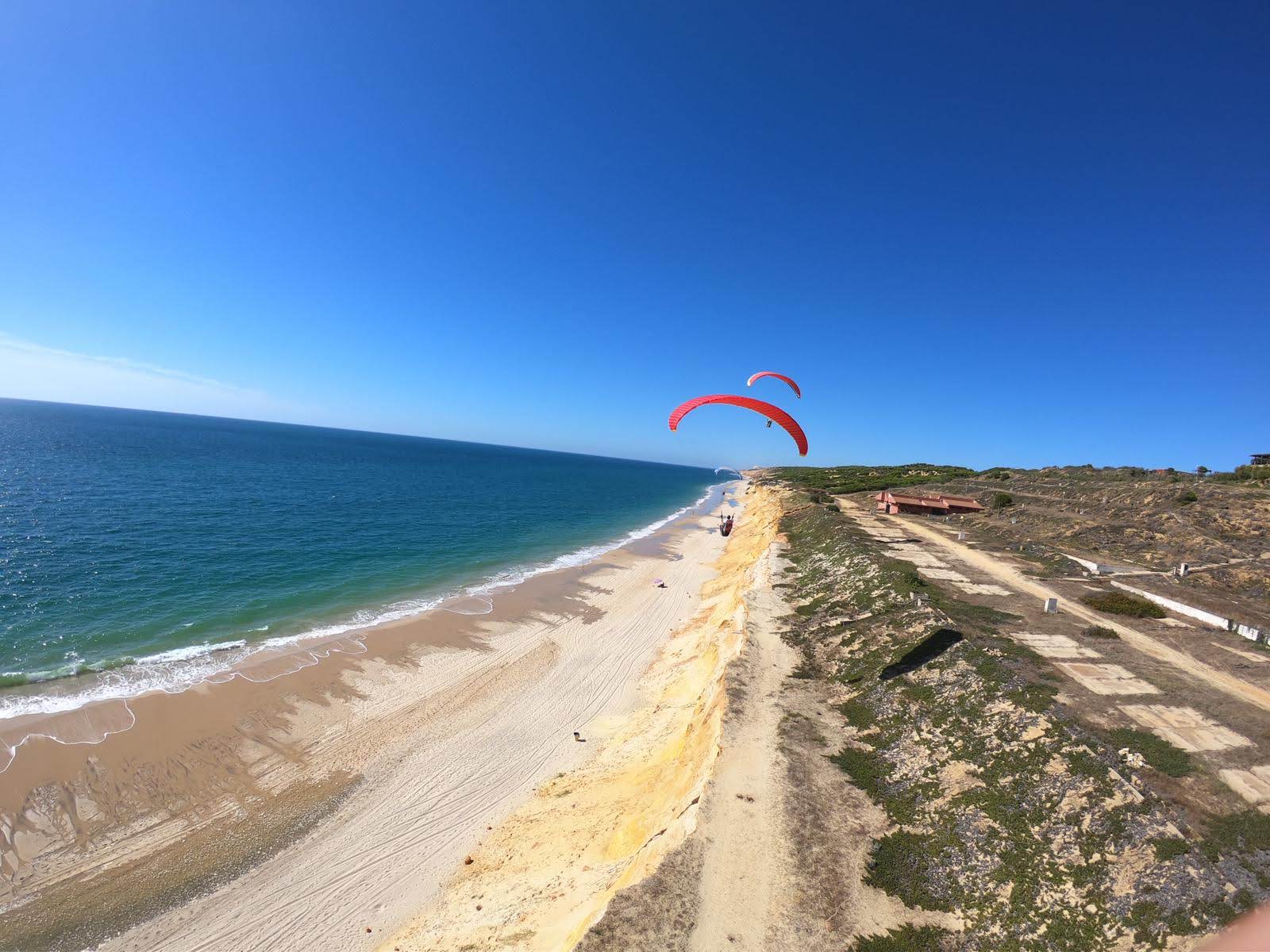
Matalascañas is our Spanish coastal option for suitable parakiting introductions or familiarisation sessions. It is separate from our mountain flying operation in Algodonales.
Wind strength, gusts, tide, beach users, obstacles, rotor, surface condition, access and local restrictions all matter. We confirm the actual operating area only after assessing the day.
Parakiting is part of a larger coastal week
The annual Portugal trip is not limited to parakites. Depending on the forecast, group and equipment, the week can combine conventional coastal paragliding, ground handling, a little touring and supported parakite familiarisation.
Use the Portugal page for the wider trip format, timing, pilot requirements and next-date information. Use this page when you specifically want to understand parakiting.
A supported introduction for existing pilots
This is a coastal flying trip built around familiarisation, supported practice and enjoying a different style of wing. It is not advertised as a formal instructional or qualification course.
We look at wind direction, strength, tide, coastal effects and the realistic options before choosing the plan for the day.
Pilots are introduced to the particular parakite, risers and control system being used before progressing toward more dynamic handling.
The initial focus is understanding inflation, depower or angle-of-attack control, wing position, energy and safe ways to stop or disable the wing.
Flying activity is introduced progressively according to the pilot, equipment, wind and space available. No particular manoeuvre or amount of airtime is guaranteed.
The week allows experienced pilots to build familiarity rather than trying to compress the entire experience into one short demonstration.
The trip is also about enjoying Portugal, spending time with other pilots and making the most of suitable coastal conditions when they arrive.
Typical timing
We normally schedule the Portugal parakiting trip immediately before our guided flying season begins in Algodonales in March.
Typical frequency
Places are naturally limited because the trip is designed around a manageable group and suitable equipment.
Trip classification
It is not a beginner paragliding course and does not award a separate pilot qualification.
A parakiting week cannot guarantee a fixed number of flying hours or suitable conditions every day. We use the available forecast and coastal options, but will not operate merely to keep to a timetable.
Experience required before arrival
You must already be able to fly a paraglider well. The trip is intended for current pilots with reliable fundamental skills—not pilots who still require basic launch, control or landing instruction.
The week may suit you when you are:
The week is not designed for:
Not sure whether your experience is suitable?
Send your qualification, approximate airtime, normal wing, recent flying activity and ground-handling experience. We will give you a straightforward answer about whether the trip is appropriate.
Familiar skills—different responses
The exact differences depend on the model, but pilots should expect the parakite to require a fresh briefing rather than assuming every conventional paragliding habit transfers unchanged.
Primarily brake and accelerator control
May include more direct angle-of-attack or depower control
Normally selected for broad thermal and soaring use
Often smaller and more highly loaded for dynamic coastal use
Familiar pitch and speed range for the pilot’s normal wing
Faster response and greater need to anticipate stored energy
Mountain, thermal, ridge and coastal flying depending on wing and pilot
Introduced by us only in suitable open coastal terrain
Normal pilot training and progression pathway
Wing-specific familiarisation for pilots who already fly competently
Equipment advice and sales
We can supply selected parakites and help you consider the type of wing, size and control system that may suit your experience and intended use.
We do not pretend to be the correct dealer for every brand. When we are not an authorised dealer for the parakite you want, we will recommend an appropriate specialist dealer rather than trying to sell you the wrong product.
Suitability depends on the pilot, all-up weight, expected wind, control system, intended terrain and the model’s own documentation. We may recommend further familiarisation before purchase.
A useful independent resource for parakite pilots
Parakiter is a dedicated app created for the parakiting community. It combines wing- and weight-aware wind windows with site forecasts, custom alerts, tide information, site discovery, chats and flight logging.
The app belongs to a friend of ParaglidingGuide and is operated independently. We are pleased to point pilots toward a tool built specifically around the needs of this developing discipline.
App information must still be checked against current observations, site access, tides, local restrictions and the pilot’s own assessment.
Coastal flying days
Common questions
No. We describe it as an introduction and familiarisation week for pilots who already fly paragliders competently. It is not a beginner course and does not award a separate qualification.
No. You must already be a competent, current paraglider pilot. Someone beginning paragliding should follow a recognised beginner training programme first.
No. We do not operate parakites in Algodonales or in mountainous terrain. Our parakiting activity takes place at suitable coastal locations in Portugal or at Matalascañas in Huelva.
We normally operate one or two weeks each year, usually toward the end of February before the Algodonales guiding season begins in March. Exact dates are published on our calendar or confirmed directly.
No. Wind direction, wind strength, tide, access and local conditions determine whether a session is suitable. We will not operate solely to preserve the timetable.
Contact us before booking to discuss the equipment arrangement for the particular week. Availability, suitable sizes and the planned introduction must be confirmed before arrival.
We can supply selected equipment. When we are not the correct authorised dealer for a particular brand, we will recommend an appropriate specialist dealer.
The disciplines can overlap in size, speed and dynamic handling, but a modern parakite may use a distinct control concept and is not automatically interchangeable with a conventional speed wing. Follow the documentation for the exact model.
Interested in the next coastal week?
Send your qualification, recent airtime, normal wing, ground-handling experience and whether you are interested in the Portugal trip, a Matalascañas introduction or purchasing a parakite.